Or Find Property by Name


Or Find Property by Name

Stand-up Paddle Boarding

Stand-up paddle boarding (SUP-ing) was trendy about one thousand years ago (truth!), but has since become a staple water sport at beach and lake resorts all over the world, including Seabrook! SUP-ing gets you out on the water and gives your core (and abs) a full-packaged workout.

WHERE YOU SUP

You can SUP in the Joe Creek estuary that flows into the ocean about a half mile north of Seabrook. If you are up for a 15-minute drive (and would like to see the Ghost Forest), you can launch in the Copalis River (the gentle stream-like river that also empties into the Pacific Ocean).

WHAT YOU NEED TO SUP

All you need is a paddle board, a paddle, a personal floatation device (life vest), and the right gear for the water temperature. Buck’s Northwest (permanently closed) in Seabrook on Front Street rents everything you need – for everyone in the family.

If you are interested in ‘seeing’ Stand-up Paddle Boarding (SUP) Basics, REI has a free series of short videos from their Expert Advice program.

10 FACTS TO SHARE

  • SUP has existed in some form for thousands of years. In Africa and South America, humans used paddle-type boards with a long stick to fish, travel, and ride waves for fun and sport. “African warriors stood up in dugout canoes and used their spears as paddles to move quietly into enemy territory.” 3,000 years ago, Peruvian fishermen used bamboo paddles.
  • Today’s SUP-ing originated as an offshoot to surfing in Hawaii in the 1940s.
  • According to sunplay.com, in the 1940s, Duke Kahanammoku, Leroy and Bobby AhChoy would teach surf lessons in Waikiki while standing on their boards to get a better view of the surfers in the water, using paddles to move around and stabilize themselves.
  • In 2004, Rick Thomas was the first person to bring stand-up paddle board surfing to mainland America, that is from Hawaii to California.
  • SUP-ing was mentioned in an Old Testament story of the Bible! When baby Moses was spotted floating in the Nile by Pharaoh’s daughter, Queen Bithiah, in 1275 BC, she was floating on a watercraft that she stood up on to gain a better view of the tiny baby stuck the reeds.
  • John “Zap” Zapotocky, considered a modern-day SUP pioneer, passed away at age 95! he was still actively surfing and paddling well into his 90s, making him the oldest SUP-er ever.
  • According to healthfitnessrevolution.com, SUP-ing improves balance, gives a full-body workout, is low impact, reduces stress, increases overall strength, is a cardio workout, can be useful in rehabilitation injuries, improves endurance, improves cardiovascular health, and allows you to connect with nature.
  • Washington State law requires all vessels (including canoes, kayaks, and stand-up paddle boards) must carry at least one properly fitted U.S. Coast Guard-approved life jacket (Personal Flotation Device) for each person on board a vessel.
    • SUP-ers under 12 years of age are required to wear a life vest or a life jacket.
  • The International Surfing Association (ISA) has brought SUP-ing to 106 nations around the world! Many land-locked countries can now experience the joy of SUP-ing.
  • app.com boldly declares, “Though SUP is not guaranteed to be included in the Olympics, there is a chance it could be included in the 2024 Paris games. Some are suggesting it is more likely to be featured in 2028, when the games take place in Los Angeles.”

Sources: Summaries of numerous corroborative websites.
Crescent Pool

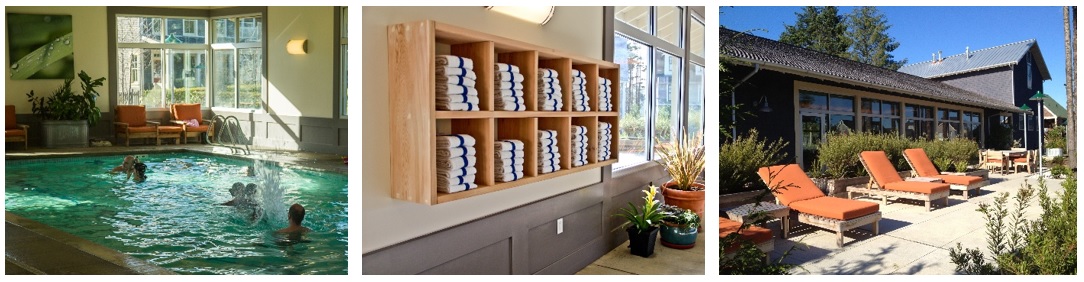
Enjoy a swim any time of year at Crescent Pool, Seabrook’s indoor swimming pool located at the south end of Crescent Park, just a short walk from Town Center. The 21-by-60-foot heated pool offers plenty of room for swimming, playing, and morning laps, while the adjoining spa provides a warm place to relax after a day spent exploring the Washington Coast.

Crescent Pool is available exclusively to Seabrook homeowners and Seabrook Hospitality guests. Guests receive an access code during their stay.

Pool & Spa

The indoor pool is maintained at 84 degrees year-round, making it an easy addition to the day no matter what the weather is doing outside. The pool ranges from 3 feet 6 inches to 4 feet 6 inches deep and accommodates up to 100 people.

The adjoining spa is maintained at 104 degrees. Children may use the spa with adult supervision.

Hours of Operation

Summer | June 15 to September 1
Daily: 7:00 AM to 9:00 PM

Fall | September 2 to September 30
Saturday & Sunday: 7:00 AM to 8:00 PM
Weekdays: 8:00 AM to 8:00 PM

Winter | October 1 through spring breaks
Daily: 8:00 AM to 7:00 PM

Spring | Spring breaks to June 14
Daily: 8:00 AM to 8:00 PM

Adult Lap Swim | Daily, year-round
8:00 AM to 9:00 AM
7:00 AM to 9:00 AM on days the pool opens at 7:00 AM

Know Before You Go

  • Children 14 and under must be accompanied by an adult at all times.
  • There is no lifeguard on duty. Children should never be left unattended in the pool area.
  • Pool towels are provided on both sides of the pool. Please do not bring towels from your vacation rental home.
  • Life vests and pool toys are not provided. Please bring your own life vest if needed.
  • A pool attendant is onsite throughout the day for cleaning and sanitizing, with particular attention to high-touch surfaces.

Indoor pool-time

More to Enjoy at Crescent Park

Make a little more time for Crescent Park before or after your swim. Just outside the pool, the large lawn offers plenty of room to play and gather, with a badminton net, shuffleboard, horseshoes, and two large fire pits nearby. The park is also home to a large event tent that hosts activities and gatherings throughout the year.

With Town Center just a short walk away, it’s easy to pair a trip to the pool with a meal, a little shopping, or more time exploring Seabrook.

Flying A Kite

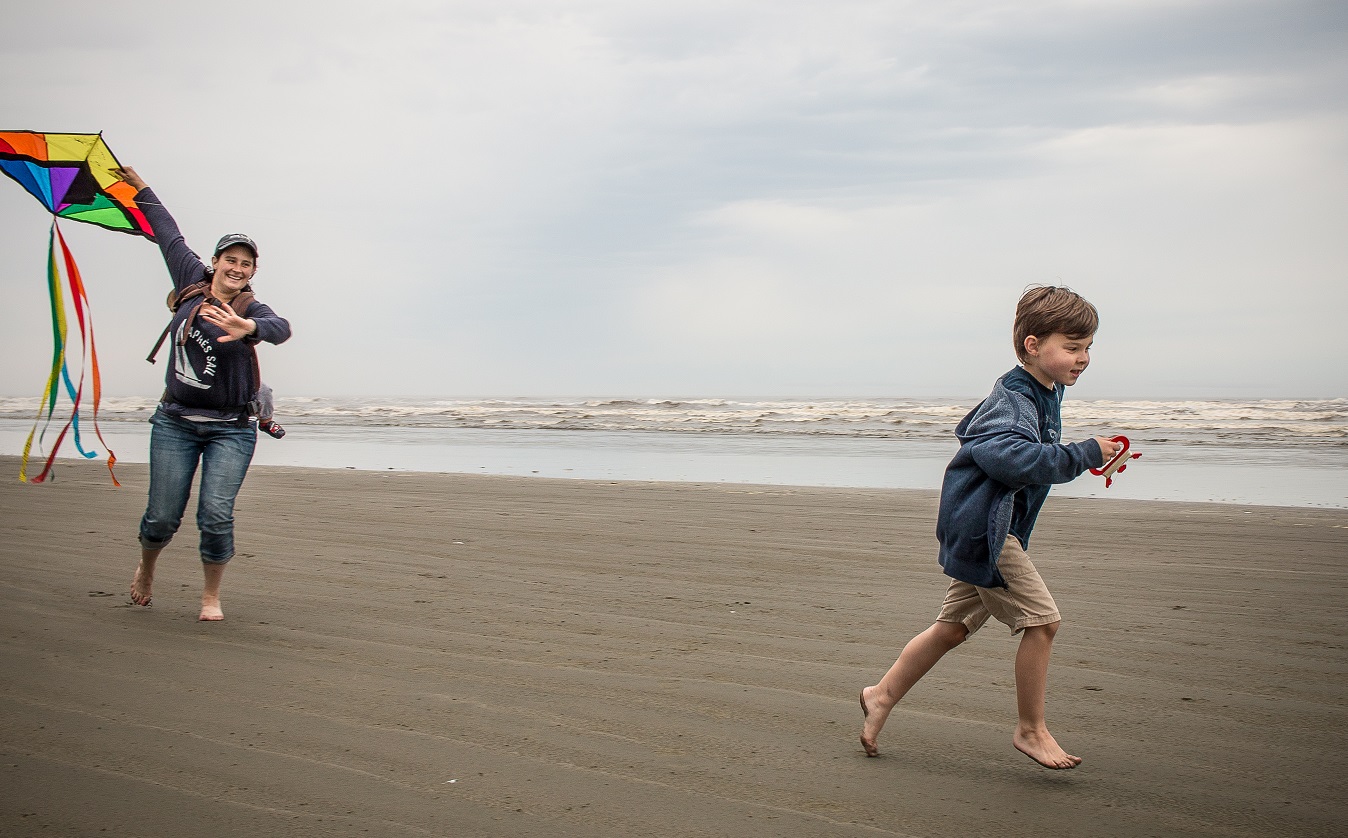
Defy gravity with aerodynamics and feel exhilarated! Everything you need to fly a kite in Seabrook is available right in town. With miles of wide, flat beaches, the kite flying possibilities are endless and fun for the whole family.

Where To Get Your Kite

Pick up a kite or two at Brooklets Toys in Seabrook. If you’re crafty and want to plan ahead for a fun project that the kids and adults alike will enjoy, you can make your own kite!

Choosing A Kite

Kites come in all shapes, sizes, and varying levels of expertise needed to get them successfully in the air. For beginners, it is easiest to use a diamond kite versus the more advanced stunt kites that may have multiple lines.

When To Fly

For the easiest kite flying experience, wait until windspeeds have picked up from between 4 and 12 miles per hour. How do you tell how hard the wind is blowing? If it’s between 4 and 12 miles per hour, you’ll be able to feel it on your skin and see trees moving slightly. Anything above 12 miles per hour is likely to feel gusty and has enough force to make a flag stand out and wave. Be sure to fly your kite in an open area free of trees and power lines.

Preassemble Your Kite

Take a few minutes to assemble your kite(s) indoors or somewhere out of the wind. They’re designed to easily catch a breeze and it can be especially challenging to put together a kite on a windy beach.

How To Launch Your Kite

Getting a kite successfully into the air is easiest with two people. Have one person hold the handle with their back to the wind while the other person goes approximately 60 feet away downwind while extending the kite line. The person holding the handle can start tugging on the line to force the kite to catch the breeze. If you’re flying solo, simply anchor the handle into the ground before launching.

Want More Tips?

Here’s a short informational YouTube video on How to Fly a Kite.

Kite Flying In Seabrook

The Salty Dog

Owner and operator, Ann Kjelsberg, built the Salty Dog because she and her team wanted a store filled with great stuff for dogs and people all in one place. You can find a collar with the Seattle skyline, a razor clam squeaky toy, treats made in Washington, and even dog and cat pillows!

They have practical products, too, including food, treats, toys, collars, and leashes, as well as a self-serve dog wash!

The Salty Dog was one of the first shops in Seabrook’s retail community. By dedicating the last 10 years helping dogs and their people, Ann is a wealth of information on dog behavior and health. She’s happy to share and assist you in finding the resources and products you need for your canine family member.

“I can’t even begin to explain how rewarding it is to make a difference in the life of a dog, even with something as small as a new toy, collar, or dog wash.” − Ann Kjelsberg, The Salty Dog owner/operator

360-581-9300     . . .     shopsaltydog@gmail.com     . . .     Instagram @shopsaltydog

Great stuff for dogs and people!

Take a Seabrook Town Tour this Summer

Join the Seabrook team for an exclusive peek into the art of town building and the secret behind Seabrook’s success!

Discover how a vision has been transformed into reality on the in-depth tour. On the tour of, hear firsthand about the 5 keys of the town’s history and design that has Seabrook on its way to becoming a top destination on the West Coast!

Stroll through town as our team members dive into the fascinating past, the bustling present, and the exciting future of this vibrant, award-winning destination.

Come explore how Seabrook is redefining the way towns are built!

Please note that several tours are held each week, contact the Real Estate office for more information on available dates and times and who is available to host a tour.

10 FACTS TO SHARE

  • Seabrook’s inspiration? The township of Seaside, FL. See the article by Nathan Norris, Seaside is a model of ideas worth spreading. Seabrook’s Director of Town Planning | Landscape Designer, Stephen Poulakos, says, “We’ve used nearly all the town building techniques listed in the article to design and develop Seabrook.”
  • Many years ago, pre-Seabrook land had been clear-cut three times, which created a poorly managed forest that was crowded, unhealthy, and lacked biodiversity. Even the staunchest environmentalists were supportive of the Seabrook approach and the plan to bring back native vegetation. Today, this walk-able, dense town is a healthy environmental model with sustainable parks, trails, and vegetation to last generations.
  • Seabrook’s name was derived from the multiple creeks and brooks that lead out to sea.
  • Seabrook was almost named Salmonberry Beach after the native plant (in the rose family), which blooms springtime. Watch for berries later this summer! Salmonberry − ‘Rubus spectabilis’.
  • Congress for the New Urbanism (CNU) defines New Urbanism as a planning and development approach based on the principles of how cities and towns had been built for the last several centuries: walkable blocks and streets, housing and shopping in close proximity, and accessible public spaces. In other words: New Urbanism focuses on human-scaled urban design.
  • Streets in Seabrook were designed to create chaos for drivers because pedestrians come first. Driving should always be slow and cautious. “The number one traffic-calming town design is good architecture.” As an example, see the beauty and detail of the Meriwether Pavilion roundabout. Drivers are more apt to slow down.
  • Porches in Seabrook are near sidewalks and pathways to foster neighborly communications and actions.
  • 60% of the homes in Seabrook face something other than streets (ocean, parks, promenades, pastures, natural preservation green spaces, etc.).
  • Seabrook was built using sustainable materials that patina − get better with age.
  • Seabrook was developed using Deflected Vistas and Terminating Vistas. A Deflected Vista is two viewpoints of visual interest at key points that ‘speak’ to a view beyond the deflection. A Terminating Vista is a single viewpoint added to provide aesthetic appeal to a town and emphasize important structures or monuments. The Pacific Ocean and Town Hall are two of several Terminating Vistas in Seabrook.

Sources: Town Tours, Congress for the New Urbanism (CNU), and historical information.

Brooklets Toys

Brooklets Toys is Seabrook, WA’s celebrated toy store. They carry an array of unique toys, games, puzzles, gifts, educational activities, and so much more!

Through creativity and a magical imagination, operator, Lindsi Fry, is an expert at bringing children’s play to life! Her store gives surprise and smiles to children of all ages.

You can also place an order, send a message on Facebook/Instagram or email lindsi@seabrookwa.com. Let her know what fun stuff you’re looking for and she’ll be happy to give suggestions and help you find just the thing! Free gift wrapping is also available upon request, as well as shipping at the lowest possible rates if your items are traveling out of town.

Brooklets is here to help you stay safe and have FUN at Seabrook! 🙂

360/276-6120     . . .     lindsi@seabrookwa.com     . . .     Instagram @brooklets.toys

brookLETS play! :)

Joie Des Livres: The Joy of Books

Joie Des Livres: The Joy of Books is an independent, family-run bookstore located in Seabrook’s Town Center. They are dedicated to bringing a wide selection of books, games, puzzles, and quality novelty products to their client base.

This delightful bookstore is full of good reads for the romantic, chef, detective, explorer, hobbyist, adventurer, and dreamer in us all. They set up the best reading portal for children and even grownups seeking a quiet place to escape.

joiedeslivres.seabrook@gmail.com     . . .     Instagram @joiedeslivres.seabrook

The Joy of Books

Whale Watching

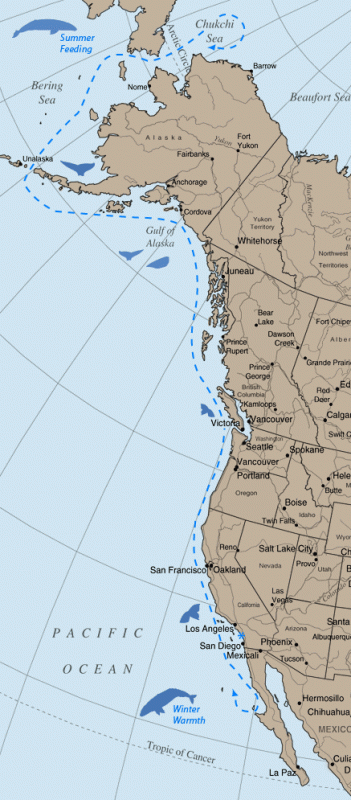
Gray whales, Blue whales, Sperm whales, Orcas, and Humpbacks all live along the Pacific coast. Migration of the Gray whale happens each year – twice!  These spectacular creatures travel in small pods north to their feeding grounds of Alaska then return south to the warm breeding lagoons of Baja California, Mexico. During their journey of over 5,000 miles, Gray whales can be spotted about a mile off Seabrook’s beach and other Washington coast beaches.

Here Are Some of the Basics for Whale Watching

The Gray whale can be up to 50 feet in length and weigh 80,000 pounds, which makes them easy to spot from the shoreline, an oceanside Seabrook rental home, or a Seabrook townhome in the town center (with binoculars, spotting scope, or telescope if necessary). You may first notice spray because Gray whales spout a jet of vapor when they surface. This misty spray can fountain up to 12 feet in the air. It looks like water, but it is really compressed air expelled from the whale’s lungs.

There are also many public beaches and state parks via SR 109 to watch for whales from Copalis Beach to Pacific Beach State Park up to Destruction Island Viewpoint (about a mile south of Ruby Beach, which is 68 miles from Seabrook). The Whale Trail is a great resource for whale watching along the Pacific coast.

Whale watching is just one of many wildlife outings you can experience in the Olympic National Park.

If you’re interested in culture, history, and whale exhibits, check out the Westport Maritime Museum in Westport just 50 miles from Seabrook. Also, Ocean Sportsfishing Charters in Westport offers whale watching tours, plus all types of fishing charters.

Before watching for whales from the shoreline, check the tide tables at Tides and Currents NOAA, Point Grenville, WA.

The best time to watch whales on the Washington coast is the beginning of March through May during their migration north to the feeding waters of Alaska, the Bering Sea and Chukchi Sea.

Gray whale migration

Gray whale migration

10 FACTS TO SHARE

  • Orcas (Killer whales) are alpha predators (or apex predators), which means they are at the top of their food chain and have zero natural predators. Other alpha predators include tigers, lions, and Great White sharks.
  • At 13 to 20 feet, Beluga whales are one of the smallest species of whales, and there are more than 80 whale species.
  • Unlike Gray whales who swim in small groups (pods), Blue whales travel alone or in pairs.
  • Blue whales are one of the loudest animals on earth and can hear each other up to 1,000 miles away.
  • Gray whales live between 50 and 70 years.
  • A baby Gray whale can consume as much as 80 gallons of milk per day.
  • Early ancestors of the Gray whale existed over 30 million years ago.
  • It is estimated that there are now over 22,000 Gray whales! In the early 1900’s, they were considered close to extinction.
  • Today, Gray whales are protected by international law, and their numbers have grown. In 1994, the Gray whale was removed from the United States endangered species list.
  • Whale watching is so big in South Africa that the town of Hermanus has a designated “whale crier” to blow a horn that alerts people whenever a whale is spotted.

Sources: Summaries of numerous corroborative websites.
Olympic Peninsula Loop

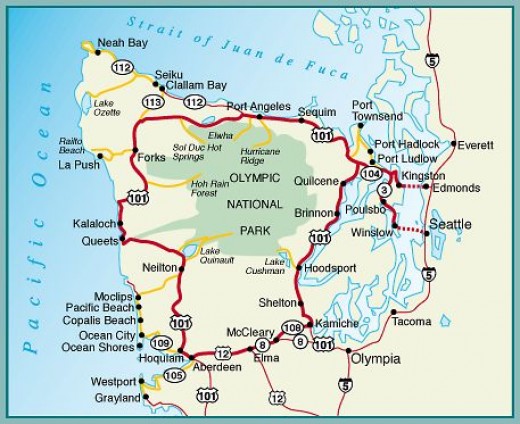
The Olympic Peninsula Loop is a spectacular way to see the natural beauty and wildlife of Washington State. This scenic drive, which defines the perimeter of the Olympic National Park, is over 300 miles of mountains, rainforests, wildlife, waterfalls, and viewpoints to explore from start to finish.

Seabrook is the perfect coastal retreat location on the Washington Coast before heading out on the loop! Browse more than 270 vacation rental homes available year-round from quaint cabins to 4+ bedroom oceanfront homes, a great alternative to an Airbnb where you have access to all of Seabrook’s town amenities. You can spend time resting and recuperating or you can find adventure all around Seabrook, too, with the wide open beaches, mountain biking and hiking trails, and all sorts of town amenities to stay active including an indoor swimming pool and fitness center. You also don’t have to leave your four-legged adventure buddy behind when you stay in Seabrook with more than 170 dog friendly rentals available!

You can catch the loop at Highway 101 in Hoquiam for a daytrip from Seabrook or begin at Highway 101 in Olympia and head north around the loop or west to experience a slice of the loop. However you choose to do the Olympic Peninsula Loop, following are some of standout things to see within a trip to and/or from Seabrook:

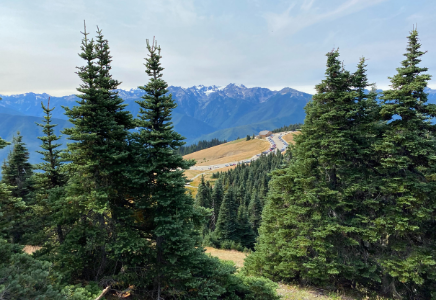
Hurricane Ridge Image By Brewing Cats Photography

Breathtaking Viewpoints

Hurricane Ridge, Olympic Mountains and ‘hidden’ Mount Olympus in Olympic National Park, approximately 3 hours and 36 minutes from Seabrook.

Olympic National Park Visitor Center, approximately 3 hours and 4 minutes from Seabrook.

Point of Arches (National Natural Landmark) on Shi Shi Beach in Olympic National Park, approximately3 hours and 24 minutes from Seabrook.

Viewing Scenery Olympic National Forest, approximately 2 hours and 9 minutes from Seabrook.

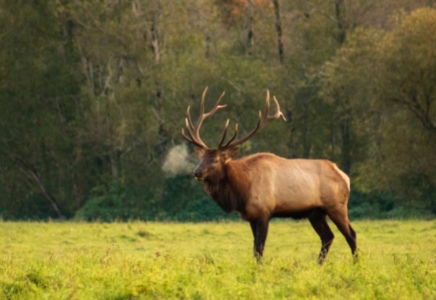
Elk Image By Cora Leach Photography

Abundant Wildlife

Grays Harbor National Wildlife Refuge, approximately 36 minutes from Seabrook.

Grays Harbor Shorebird and Nature Festival, approximately 36 minutes from Seabrook.

Great Washington State Birding Trail, varied times depending on your destination. Up to approximately 5 hours and 21 minutes from Seabrook.

Wildlife Viewing Olympic National Forest, varied times depending on your destinations. Up to 4+ hours from Seabrook.

Wildlife Viewing Olympic National Park, varied times, depending on your destinations.

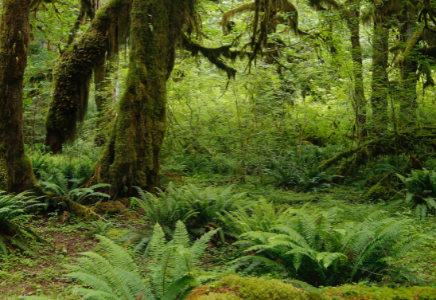
Hoh Rainforest Image By George Eiermann Photography

Flourishing Rainforests

Hoh Rain Forest, Queets Rain Forest, Quinault Rain Forest, varied times, depending on your destinations. Up to 2 hours and 10 mins from Seabrook.

Quinault Rainforest Nature Trail, approximately 45 minutes from Seabrook.

Olympic National Park Waterfall Image By Ryan Mildrad Photography

Stunning Waterfalls

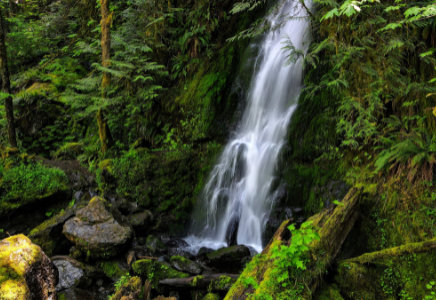
6 Enchanting Waterfalls Around Olympic National Park, varied times, depending on your destinations.

Olympic Peninsula Waterfall Trail, varied times, depending on your destinations.

Waterfalls on the Olympic Peninsula Loop, varied times, depending on your destinations.

Olympic Peninsula Loop map

Olympic Peninsula Loop

MAKE IT A DAY TRIP

With Seabrook as your adventure launching pad, check out these same-day trips you can take to experience some of the grandest highlights of the Olympic Peninsula. First time in the area or need help planning? Seabrook Hospitality’s Concierge Services is there to help! From helping you put together an itinerary to dozens of services to make a visit to Seabrook more comfortable, concierge services is there every step of the way.

Headed Northeast

What You Can See On A 30-45 Minute Drive From Seabrook

What You Can See On A 1-1.5 Hour Drive From Seabrook

‘Treasure’ from around the world! Since 1976 the beachcombing museum has built up its exhibits until today where tons of items have been collected off of beaches both local and distant and put on display.

What You Can See On A 2-3 Hour Drive From Seabrook

Lake Crescent At an official maximum depth of 624 feet (190 m) it is officially the second deepest lake in Washington (after Lake Chelan) The lake was formed when glaciers carved out deep valleys during the last Ice Age. Initially, the Lake Crescent valley drained into the Indian Creek valley and then into Elwha River.

Need A Place To Rest Up Before Adventuring?

Whether you are looking for even more outdoor adventuring in and around town or a place to unwind and reenergize for the next day’s plans, Seabrook offers more than 270 vacation rentals that are open year-round. Pick a cozy cabin that borders the hiking trails, a townhome with an ocean view, a dog-friendly rental, a home with a fireplace or a home with a private hot tub to make the most of your getaway.

10 FACTS TO SHARE

  • President Franklin Roosevelt designated the Olympic National Park a national park on June 29, 1938.
  • Olympic National Park covers almost one million acres of land (922,650 acres). There are 611 miles of trails, over 3,000 miles of rivers and streams, and more than 650 archaeological sites.
  • Olympic National Park became an International Biosphere Reserve in 1976 and designated a UNESCO World Heritage Site in 1981.
  • Olympic National Park was almost named Elk National Park due to the importance of saving the Roosevelt elk, named in honor of President Theodore Roosevelt, who created the Mount Olympus National Monument in 1909 to protect the elk from being overhunted and wiped out. By the time the park was named in 1938, the elk population had recovered.
  • The Olympic Mountains formed over 30 million years ago. Mount Olympus is the highest point, standing 7,965 feet in the center of Olympic National Park.
  • Ruby Beach along the Olympic National Park coastline is called Ruby Beach because of the ruby-like crystals in the beach sand.
  • The Quinault Rainforest is in a valley called the “Valley of the Rain Forest Giants” because of the record-sized trees there.
  • Hurricane Ridge, a popular spot year-round in Olympic National Park, earns its name from winds 70 mph and higher whipping through.
  • The Elwha River was used for hydropower to supply power to local milling operations, but now runs free due to The Elwha River Ecosystem and Fisheries Restoration Act passed in 1992.
  • Coast guard stations were established on the beaches of the Olympic Peninsula during World War II because of its highly vulnerable location at the northern tip of the United States.

Sources: Summaries of numerous corroborative websites.

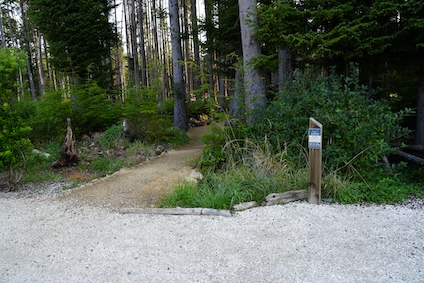
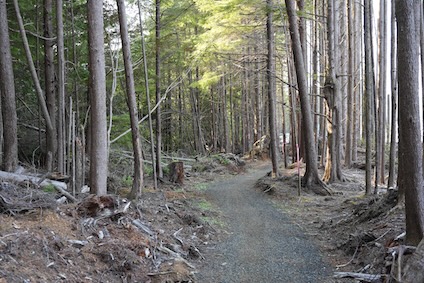
Hiking Trails in Seabrook

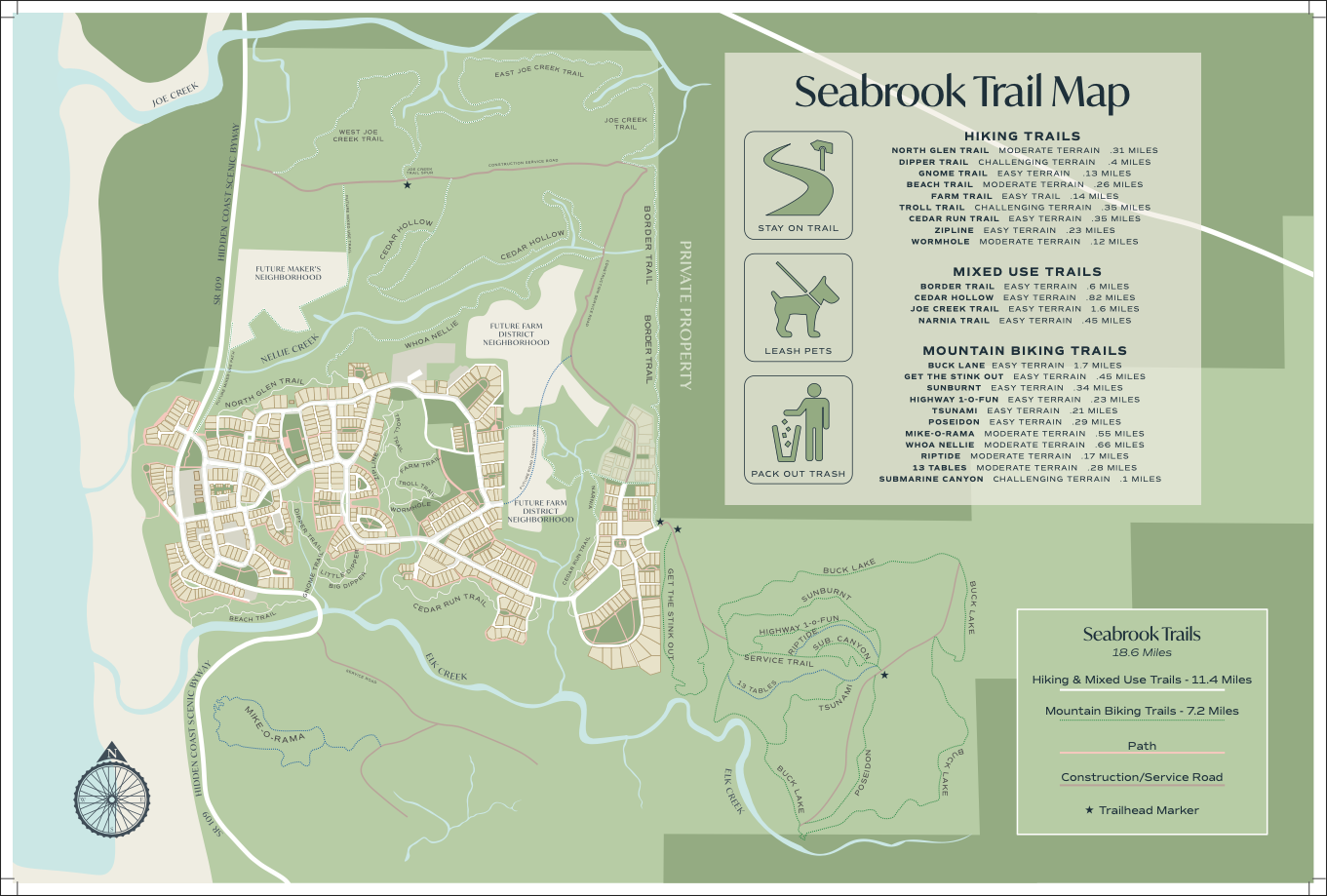
Seabrook Hiking Trailheads by Neighborhood

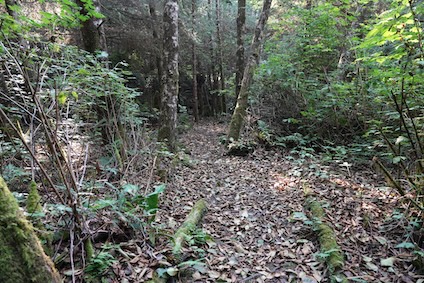
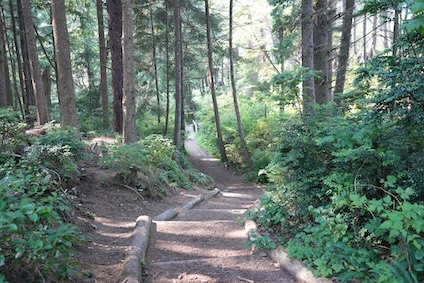
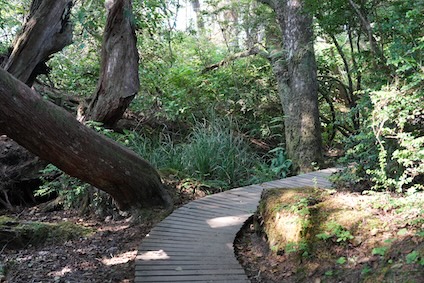
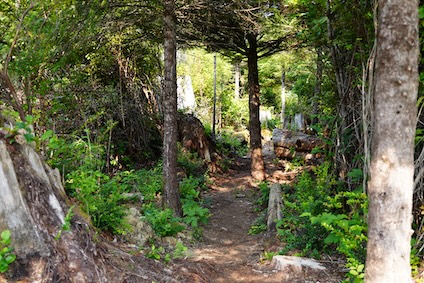
Getting out in nature and hiking the fresh outdoors any time of year is something amazing. Here in Washington State, and Seabrook in particular, hiking on the Washington coast is an experience like none other – shimmering sunrays, lush vegetation, budding flowers, green grass, and fresh trails. Whatever draws you to the open air, you’ll find “it” walking and hiking here or in the nearby trails of the Olympic National Park a short drive away.

Seabrook is well known for its bike and pedestrian-friendly streets and pathways. These pathways are all complemented by the growing hiking and biking trails that are expanding or being improved year-round. Seabrook’s trail-building team is expanding the trails by 25-miles within the next five years in Seabrook itself and within the Department of Natural Resources (DNR) trail network that is accessible from the Fernwood neighborhood in Seabrook.

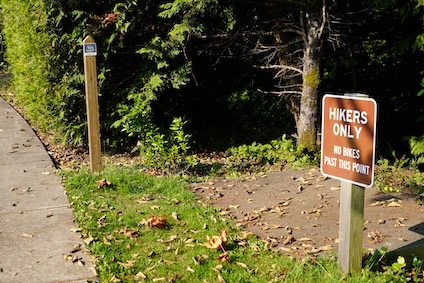
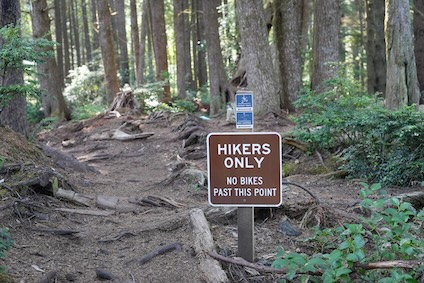
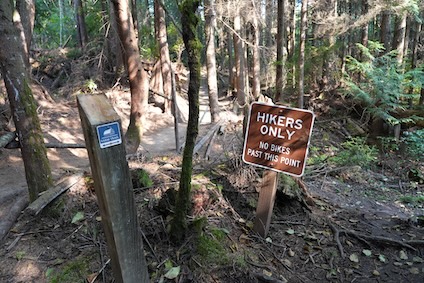
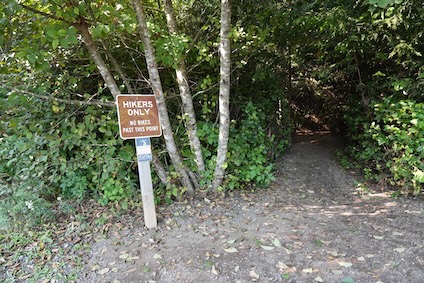
The hiking trails in Seabrook are easy to moderate trails with suitable options for all ages. Take a look at the trailheads throughout Seabrook’s neighborhoods! For more information on the mountain biking trails and a virtual map, visit: Mountain Biking.

Alderwood

Zipline

Zipline Trail In Seabrook

The short .23-mile trail is accessible from the Alderwood playground park and exits on the southern end of the Alderwood neighborhood. The trail intersects with the hiking-only Troll Trail with exits throughout the Alderwood and Farm District.

  • Easy to moderate terrain with steep, narrow paths at some points
  • Best hiked mid April-October
  • Muddy and pooled water conditions possible November-March
  • Use caution with small children, ravines and potential tripping hazards are present
  • Dogs welcome on a leash

Wormhole

Wormhole Trail In Seabrook

The .12 trail is accessible in either the Alderwood or Farm District neighborhood. The moderate terrain and heavy undergrowth makes this trail somewhat darker than others in the area.

  • Easy to moderate terrain with steep, narrow paths at some points
  • Best hiked mid April-October
  • Muddy and pooled water conditions possible November-March, especially at the small bridge crossing on the trail
  • Use caution with small children, potential tripping hazards are present
  • Dogs welcome on a leash

Greenway

North Glen Trail

North Glen Trail In Seabrook

The .31-mile trail borders the Greenway neighborhood with the trailhead entrance located at the northeast corner of the neighborhood along the 109 highway. Several pathways lead to the trail from within the neighborhood, located to the left of the corner after Meriweather Square and across the street from the north end of Anchor Street.

  • Moderate terrain with narrow paths and roots on trail
  • Best hiked mid April-October
  • Muddy and pooled water conditions possible November-March
  • Use caution with small children, ravines and potential tripping hazards are present
  • Dogs welcome on a leash
  • Connects to the Whoa Nellie mountain biking trail, with moderate terrain and .66-miles
  • Difficult to walk bicycles

East Main

Dipper Trail

Dipper Trail In Seabrook

The .4-mile trail is accessible behind the Seabrook Town Hall in the East Main neighborhood. The narrow trail meanders up and down, connecting to the Gnome Trail and Little Dipper and Big Dipper trails.

  • Challenging terrain with narrow paths and roots on trail
  • Best hiked mid April-October
  • Muddy and pooled water conditions possible November-March
  • Use caution with small children, potential tripping hazards are present
  • Dogs welcome on a leash
  • Connects to the Little Dipper, Big Dipper, and Gnome trails
  • Difficult to walk bicycles

Mill District

Gnome Trail

Gnome Trail In Seabrook

The most popular trail in Seabrook that goes through the gnome forest (make your own gnome home with all natural materials when you come by!), is found off of the Elk Creek Promenade or behind the Old Cedar Stump in the Mill District. The trail is .13 miles at a semi-steep grade that connects to the Elk Creek beach trail across the highway 109 roadway at the base.

  • Easy terrain with a wide path
  • Hikable year-round with possibility of mud and water pooling at the base of the trail fall-spring
  • Dogs welcome on a leash
  • Connects to the Little Dipper, Big Dipper, Elk Creek beach trail, and Elk Creek Promenade path
  • Not easily navigable for most strollers due to steep decline, elongated steps
  • Moderately difficult to walk bicycles

Elk Creek Beach Trail

Elk Creek Trail In Seabrook

The .26-mile beach trail is found across the road from the base of the Gnome Trail or down the staircase at the south end of the South of Market neighborhood. The trail has moderate terrain with a mix between boardwalk and dirt paths.

  • Moderate terrain with winding paths and roots over the trail
  • Best hiked April-October
  • Muddy and pooled water conditions likely November-March, making some parts of the trail impassable at times
  • Not suitable for strollers (the path to the beach found in the Elk Creek neighborhood contains no stairs)
  • Dogs welcome on a leash
  • Moderately difficult to walk bicycles; the walk-on beach access in the Elk Creek neighborhood is easily navigable with a bike

Farm Trail

Farm Trail In Seabrook

The .14-mile trailhead is located on the east side of the Mill District neighborhood. After a slightly steep decline at the beginning of the trailhead, the trail is relatively flat until the last few years that have a gradual incline that ends in the Farm District just beyond the Windgate Barn, chicken coop, and horse pastures.

  • Easy terrain with decline and slight inclines towards the end of the trail
  • Best hiked mid April-October
  • Muddy and pooled water conditions likely November-March
  • Not suitable for strollers
  • Dogs welcome on a leash
  • Trail intersects with mountain biking trail (Zipline), proceed with caution
  • Stay to the left to remain on the Farm Trail after crossing the mountain biking path. The path to the right loops back to the Farm Trail or onto the Troll Trail that ends in the Farm District or near the Farm District playground if you take the northern trail
  • Moderately difficult to walk bicycles

Farm District

Troll Trail

Troll Trail In Seabrook

The .35-mile trail is located between the Alderwood, Mill, and Farm District neighborhoods with access points in all three neighborhoods. The trail winds up and down through the dense conservation area, running alongside a small creek at times. Keep an eye out for possible tripping hazards throughout this trail.

  • Challenging terrain with slight inclines and declines on a windy trail
  • Best hiked mid April-October
  • Muddy and pooled water conditions likely November-March
  • Not suitable for strollers
  • Dogs welcome on a leash
  • Difficult to walk bicycles

Cedar Run Trail

Cedar Run Trail In Seabrook

The .35-mile trail is a new trail that borders the homes located in the south Farm District. Accessible through the Poolside Cabin court, the trail meanders through the woodlands with remarkable stumps that are remnants of the old-growth forest that remained prior to the logging industry boom.

  • Easy terrain with decline and slight inclines towards the end of the trail
  • Best hiked mid April-October
  • Muddy and pooled water conditions likely November-March
  • Not suitable for most strollers, jogging strollers may do okay
  • Dogs welcome on a leash
  • Easy to walk bicycles

Narnia Trail

Narnia Trail In Seabrook

The .4-mile trail is a newly directed and revamped trail accessible from the Orchard Walk Park in the Farm District and through the Fernwood neighborhood. With easy terrain, the trail zig zags through the forest between neighborhoods, perfect for walking or biking.

  • Easy terrain with decline with curves and slight inclines in places
  • Best hiked year-round
  • New techniques have been put in place to prevent flooding and muddy conditions, caution should still be used during the rainy season
  • Suitable for strollers
  • Dogs welcome on a leash
  • Be cautious of sharing the trail with cyclists as there are a couple of blind corners

Sidney Trail – TEMPORARILY CLOSED


Fernwood

Border Trail

Border Trail In Seabrook

The out and back, mixed use 2.3-mile trail is located at the northeastern end of the Fernwood neighborhood. A majority of this hike is relatively flat with more winding curves about halfway through the hike.

  • Easy terrain
  • Best hiked year-round
  • Muddy and pooled water conditions likely November-March
  • Dogs welcome on a leash
  • Be cautious of sharing the trail with cyclists

Cedar Hollow – TEMPORARILY CLOSED

The Cedar Hollow trail is accessible via the Border Trail in Fernwood. The mixed-use .82-mile trail is relatively flat, easy terrain.

  • Easy terrain
  • Best hiked year-round
  • Muddy and pooled water conditions likely November-March
  • Dogs welcome on a leash
  • Be cautious of sharing the trail with cyclists

Please avoid any current trail closures for your safety. These trails are actively under construction and are hazardous to pedestrians/cyclists with heavy equipment, tree felling, and unstable soil throughout.